Why Fresh-Roasted Coffee Tastes Different (And How to Make Sure You're Getting It)
 Maryna Gray
• July 09, 2026 — last updated July 21, 2026
Maryna Gray
• July 09, 2026 — last updated July 21, 2026
We've all bought a bag of coffee, brought it home excited, brewed a cup, and thought: that's it? That's the coffee everyone was raving about? Then the next bag, from a different roaster, tastes like an entirely different drink. Most of the time, the bag isn't lying about origin or roast level. It's lying — by omission — about how long ago the beans were roasted.
Truly fresh-roasted coffee tastes alive. The aroma climbs out of the bag the moment you open it. The grounds bloom and rise when hot water hits them. The cup is sweeter, fuller, more itself: caramel, fruit, chocolate, citrus, whatever the origin promised, you actually taste. Stale coffee tastes like the same coffee with the volume turned down.
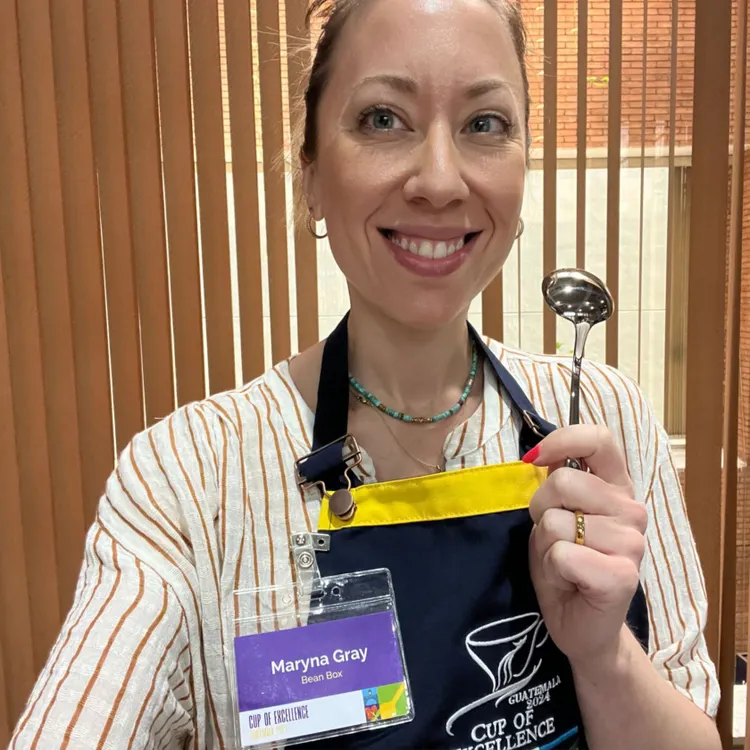
I curate coffee at Bean Box, which means I think about freshness more than any one human should. Here's what fresh-roasted actually means, the window that matters, and the four things I check before I commit to a bag, whether I'm tasting for the catalog or buying for myself. This isn't a timeline reference; we have one of those, and our coffee freshness timeline is the deeper read if you want it. This is a buyer framework with a structural conclusion: the only durable way to drink fresh-roasted coffee at home is to buy from a supply chain built around freshness, not from one built around shelf life.
The short answer
We all want coffee that tastes the way the bag promises, and you can have it. Fresh-roasted means buying within roughly two to six weeks of the roast date, and I'll show you exactly what to check on every bag.
- The freshness window is roughly 3 to 28 days post-roast. Peak flavor lands inside that range, after a few days of rest and through a couple of weeks of peak. Coffee is still drinkable up to about three months. After that, you're drinking the ghost of what it could have been.
- Most grocery coffee is months past its roast date. Bags show a "best by" date six to twelve months out, not a roast date. Supply-chain and shelf time push real-world age into the 3-to-6-month range.
- Four things on the bag tell you the truth. A printed roast date, a one-way valve, whole bean, and a roaster who ships close to the roast date. Miss any of them, and freshness becomes a coin flip.
What "fresh-roasted" actually means
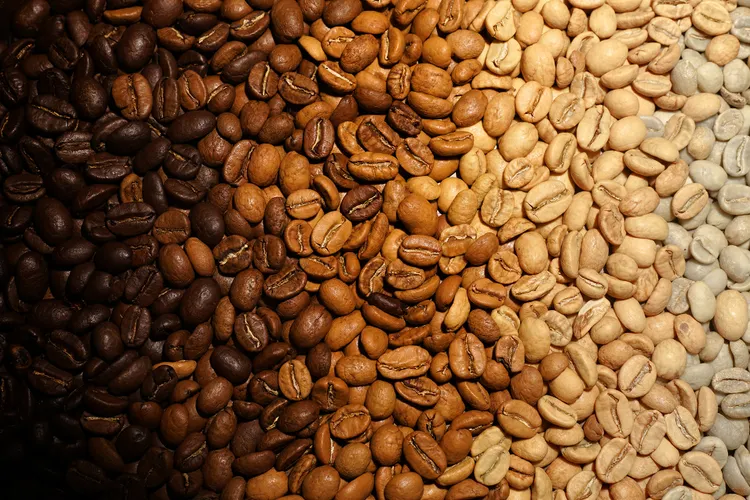
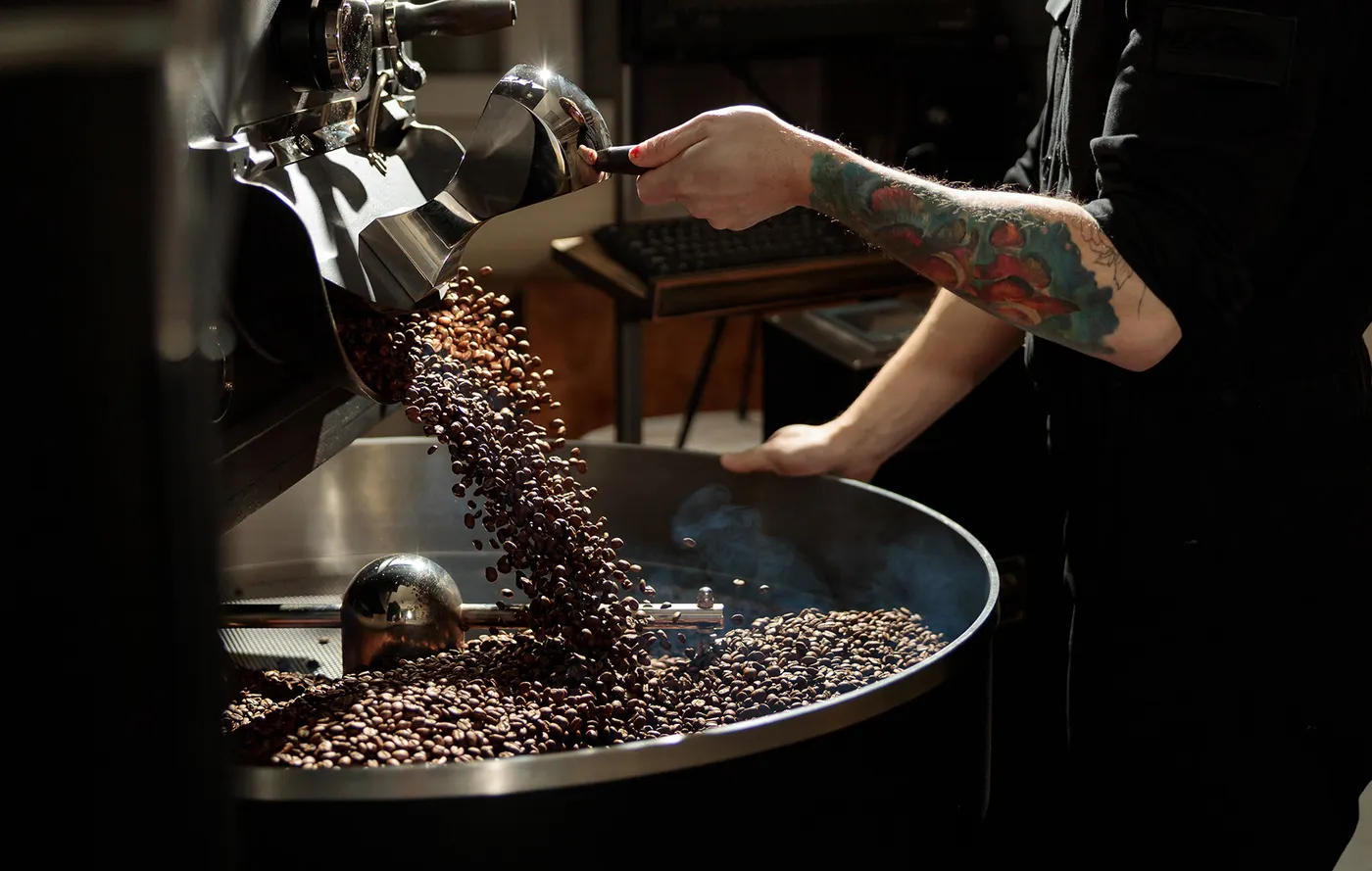
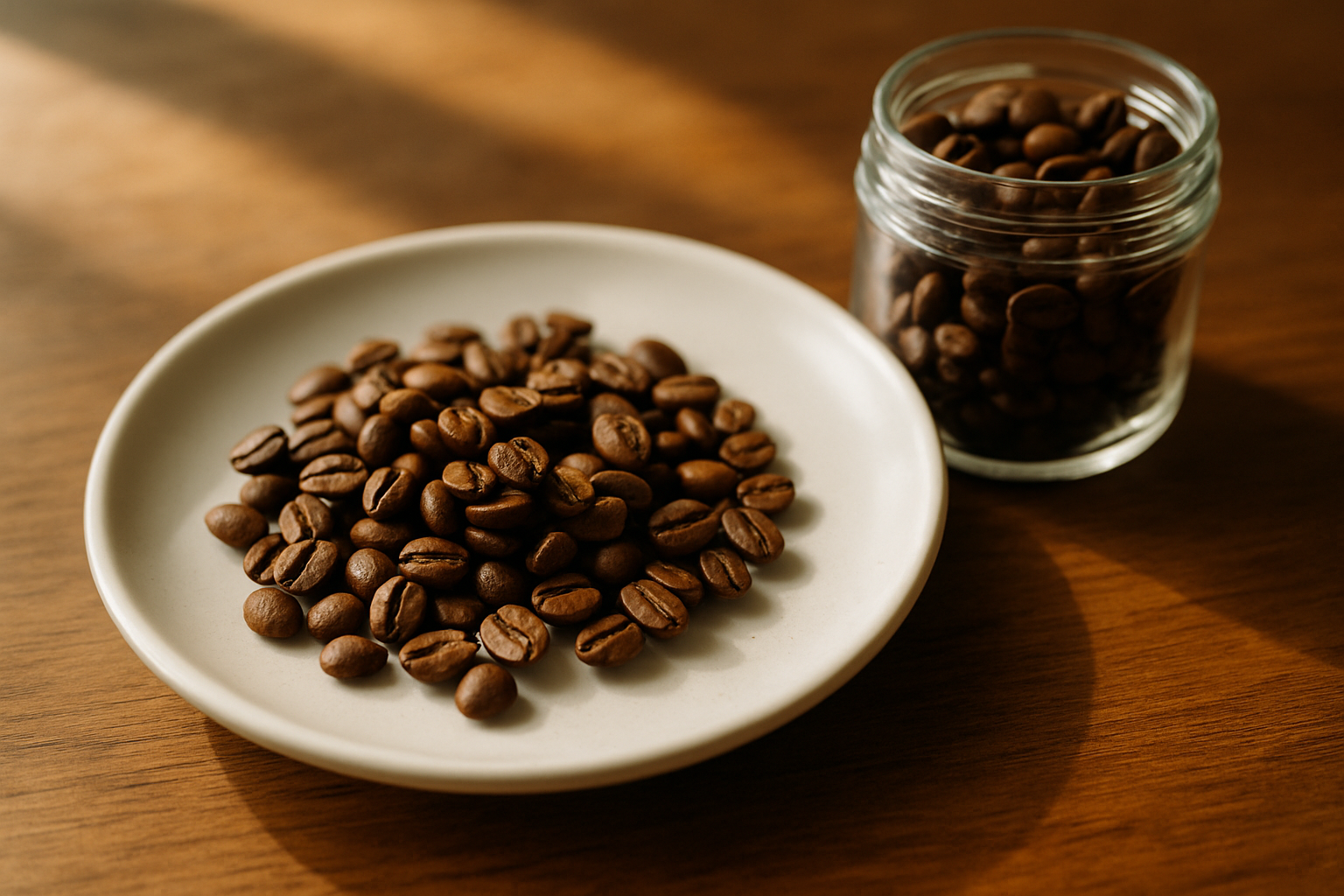
Fresh-roasted means coffee within the window where it still has most of the volatile compounds and trapped gas that make it taste like itself. Roasting drives a chemical reaction inside the bean that produces hundreds of aroma compounds and traps gas (mostly carbon dioxide) inside the bean's cellular structure. The instant a roaster pulls the beans out of the drum, that gas starts releasing and those compounds start oxidizing. Freshness is the race against that clock.
Freshly roasted coffee contains "up to 2% of its weight as trapped gas," per the SCA's freshness explainer. All that CO₂ has to escape before the coffee brews well, which is why a freshly roasted bag actually needs a few days of rest before peak flavor. Day-of-roast beans brew weirdly: gas-blocked, sour, hollow. The bloom is too aggressive. The shot pulls erratically. The coffee isn't ready yet.
Most coffees want 5 to 14 days post-roast to drink at their best. Espresso pulls cleaner at 7 to 21 days. Light roasts want longer rest because they degas more slowly; dark roasts settle faster but oxidize sooner once their oils migrate to the surface. Counter Culture's freshness guide frames it as "really opens up two or three weeks after roasting." That's the line I use too. A bag roasted last Friday might actually be in its sweet spot the Friday after.
The window narrows from there. After that peak couple of weeks, flavor starts to flatten gently. Around the 4-to-8-week mark for whole bean, the brighter notes (citrus, florals, stone fruit) lose definition first; the body lingers but the personality starts to fade. By three months, even a well-stored bag tastes muted. The body's still there, but the alive part isn't. The NCA's shelf-life reference gives the same range: 1 to 3 weeks at room temp for whole bean, with ground coffee fading faster.
So fresh-roasted isn't "yesterday." It's "within the window where the bag is still telling the truth about what's inside." Two to six weeks past the roast date is the practical sweet spot.
Why it matters: the stale-grocery problem
Grocery coffee has a long path: roastery to distributor warehouse to regional warehouse to store back room to shelf. Achilles Coffee's roast-date explainer puts it bluntly: "Beans can spend considerable time in warehouses, on trucks, and on store shelves." That time alone can be weeks. Then the bag sits on the shelf until someone buys it.
From our coffee sommelier
Maryna's weekly picks
“I taste thousands of coffees a year — I’ll only send you the few worth brewing.”
Something went wrong — please try again.
Free · Weekly · Unsubscribe anytime
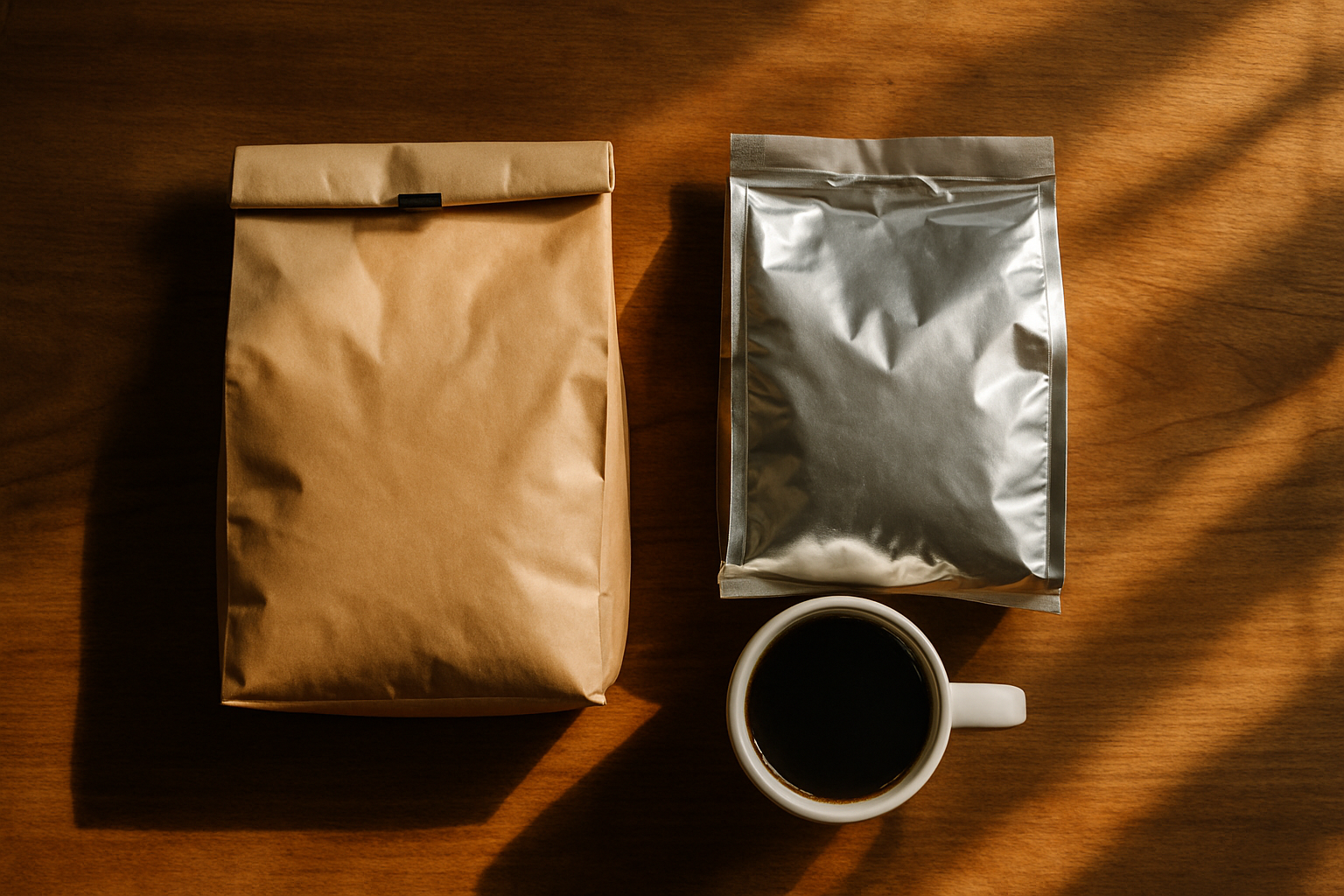
Pick up almost any grocery coffee bag and look for a date. More often than not, you'll find a "best by" date six to twelve months out. That isn't a roast date. It's a shelf-life claim, set by the brand for how long the bag is technically safe to keep on a shelf (essentially indefinite, for sealed coffee, but the date keeps it inside the retail rotation system). Brands print best-by dates because best-by dates protect inventory. Specialty roasters print roast dates because roast dates protect drinkers. The two pieces of information aren't doing the same job.
Counting backward from a "best by" twelve months out, that bag was probably roasted 3 to 6 months ago. Some of that was supply-chain time. Some was warehouse time. None of it was time the coffee was getting any better. By the time you grind it, you're tasting the muted shadow of what the bag was when it left the roastery. The coffee inside might have been competently roasted; the system around it just wasn't built around the assumption you'd drink it soon.
Specialty roasters are different because their business model is. They roast small batches, often to order, and ship within days. The relationship between roaster and drinker is short and direct. The bag doesn't need a "best by" because the roaster has built their work around the assumption that the coffee will be drunk while it's still alive. That's why every signal we look for in the checklist below traces back to the same question: is this roaster's business actually built around freshness, or is the freshness pitch just on the bag?
How to use this: the four-item buyer checklist
Four things, in this order. The order matters. (The longer version of this discipline is the full juror framework I use at the cupping table — see what a Cup of Excellence juror looks for.)
Item 1: Look for a printed roast date. The single most important signal. A specialty bag has a roast date printed somewhere, a real date, not a best-by stamp two years out. If you can't find a roast date on the bag (or on the product page, for an online purchase), assume the worst. Aim for bags within roughly two to six weeks of that date when you buy. Espresso wants the later end of that range (extra rest helps the shot pull cleanly); pour-over and drip want the earlier end while the bright notes are still bright. Past six weeks, the cup starts to fade. Past three months, it's mostly memory. The field-by-field label walkthrough is its own piece if you want to decode the rest of the bag.
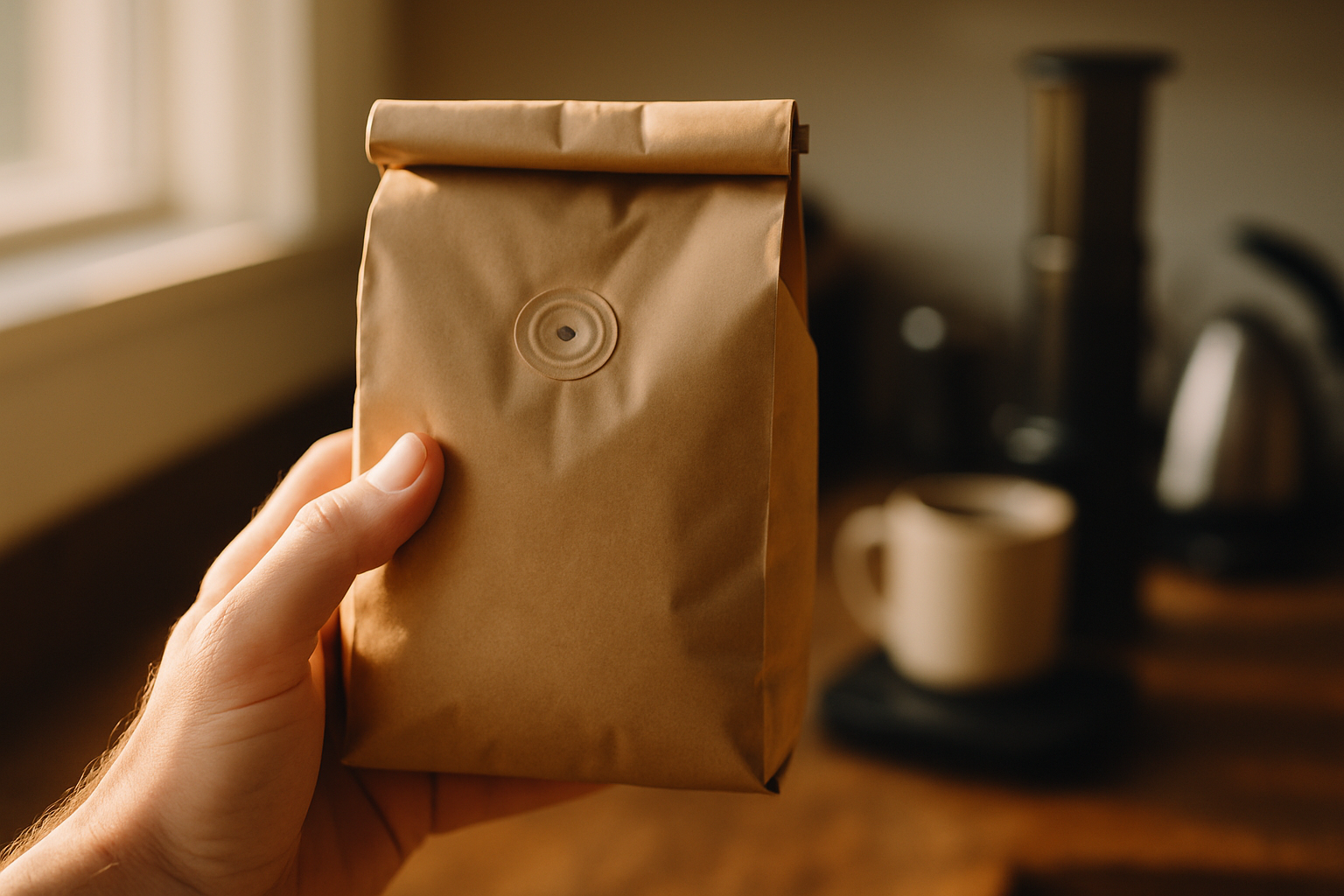
Item 2: Look for a one-way valve on the bag. Run your hand along the front face of the bag and feel for a small round disc, usually near the top seam. That's a degassing valve. It lets the trapped CO₂ escape after roasting without letting oxygen back in. It's a freshness signal and a freshness tool at the same time: the valve is the roaster telling you they bagged this coffee while it was actively still degassing (which is to say while it was actually fresh), and it's actively protecting the coffee from oxidation while the bag waits to be opened. A sealed mylar bag with no valve usually means the coffee was either fully degassed before bagging (read: old) or canned without regard for freshness. Both are bad news.
Item 3: Buy whole bean, not pre-ground. Grinding multiplies the surface area of the coffee by roughly a thousand times, which means oxygen and water vapor have a thousand times more bean to attack. The NCA's room-temperature numbers put ground coffee at 1 to 2 weeks of usable freshness versus 1 to 3 weeks for whole bean, but that understates it for me. Ground coffee starts losing the aroma compounds you actually notice within hours of grinding. If you've ever ground beans for a friend in the morning and then watched the bloom drop flat on day three, you've seen this. Buy whole bean. Grind right before you brew. The investment in a half-decent grinder pays back fast. The cup gets sweeter, the aroma reads clearly, and the brew settings actually behave the way the recipe says they should.
Item 4: Buy from a supply path that ships close to the roast date. This is the one most checklists miss, and it's the structural difference. The roast-date stamp on a specialty bag is only meaningful if the coffee reaches you while the date is still recent. Direct-from-roaster shipping, or a curator that ships from the roaster within days of roasting, are the two paths that actually get you there. Most Bean Box coffee arrives 5 to 7 days after it's roasted, because we ship from the roaster, not from a central warehouse. If a bag travels from a roastery to a distributor to a regional warehouse to a store before it reaches your hand, the roast date on the bag is an artifact, not a guarantee. The coffees that ship fast on our catalog are the bags built around exactly this checklist item.
The structural fix
The checklist is reusable, but it's also a homework assignment. Every bag, every time, you're checking date, valve, whole bean, supply path. That's a lot of homework for a daily drink.
I see this pattern play out across dozens of independent roasters in our catalog every week. The roasters who roast small, ship close to the roast date, and label their bags honestly are the ones I keep coming back to. Most of them couldn't sell on a grocery shelf even if they wanted to. Their model is too freshness-bound for shelf-stable retail. That's the trade and the strength.
If you'd rather a curated path through coffees that already answer all four checklist items, our Coffee Plan exists for exactly that. You tell us what you like; we ship freshly roasted coffee chosen by curators (including me); the homework goes away.
Or, if you want a simpler starting point with no commitment, our best-selling coffees are the bags that pass the four-item checklist most consistently, week after week. Same supply path, no subscription.
Either way: the printed date, the valve, the whole bean, and the ship-close supply path. Trust those, and you'll start tasting the difference inside one bag.
We want to help you make better coffee at home. Our recommendations are our own, and never sponsored. If you see something you love and buy it through our links, we may receive an affiliate commission (thanks for that!).
From our coffee sommelier
Maryna's weekly picks
“I taste thousands of coffees a year — I’ll only send you the few worth brewing.”
Something went wrong — please try again.
Free · Weekly · Unsubscribe anytime